

Therapeutic care that heals, empowers, and transforms
Our Philosophy
At Kalo Living, we believe that every child’s behaviour is a message a reflection of their experiences, not their character. Our job is to listen to that message, understand its roots, and respond with empathy, structure, and skill.
We use a trauma informed and relationship based approach to help children make sense of their emotions, develop trust, and build the tools they need to thrive.
This approach underpins everything from how we greet a child in the morning to how we support them through crisis or celebration.
Trauma Informed Practice

Trauma Informed Practice
Our care model is grounded in the understanding that many children have experienced trauma, neglect, or attachment disruption. These experiences often leave lasting emotional imprints that can affect how children see themselves and the world around them. Rather than focusing on behaviour alone, we look at the need beneath the behaviour. We train our teams to ask “What happened to you?” not “What’s wrong with you?”.
Every member of staff is trained in:
- Trauma and attachment theory
- Emotional regulation and co-regulation techniques
- De-escalation and restorative communication
- Reflective listening and non-judgemental responses
- Therapeutic boundaries and safe relationships
This ensures that every child’s experience at Kalo Living is emotionally safe, consistent, and grounded in understanding.
Relationship-Based Care
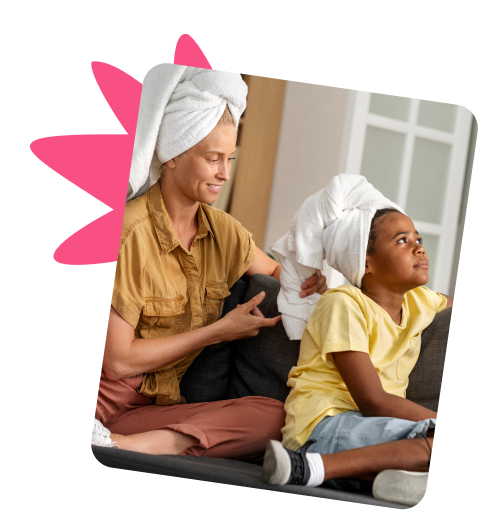
Relationship-Based Care
Our relationship model focuses on:
- Consistency: Children always know who is there for them and what to expect.
- Empathy: Listening before reacting, understanding before instructing.
- Repair: Using reflection, not punishment, to address mistakes and restore trust.
- Presence: Being there in the moment emotionally and physically even in crisis.
Therapeutic Daily Life
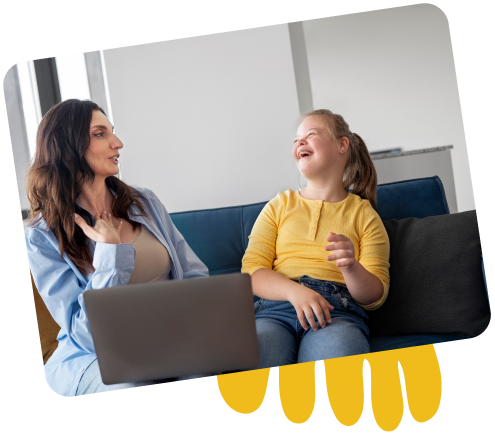
Therapeutic Daily Life
Therapeutic care doesn’t just happen in therapy sessions it happens in every moment of daily life. Our homes are structured to provide a calm, predictable rhythm, giving children a sense of safety and control. We call this our Therapeutic Daily Life Framework.
It includes:
- Morning routines that build independence and confidence.
- Mealtimes shared as a family, building connection and belonging.
- Evening reflection time, encouraging emotional literacy and self awareness.
- Therapeutic activities, including art, sensory play, cooking, and outdoor experiences.
- Daily check-ins that help children reflect on feelings, choices, and achievements.
Positive Behaviour Support

Positive Behaviour Support
Our approach includes:
- Individualised behaviour plans co-created with the child and their keyworker.
- De-escalation techniques that prioritise emotional safety.
- Celebrating progress, however small, to build intrinsic motivation.
- Reflective conversations to help children understand their emotions and choices.
Education and
Learning
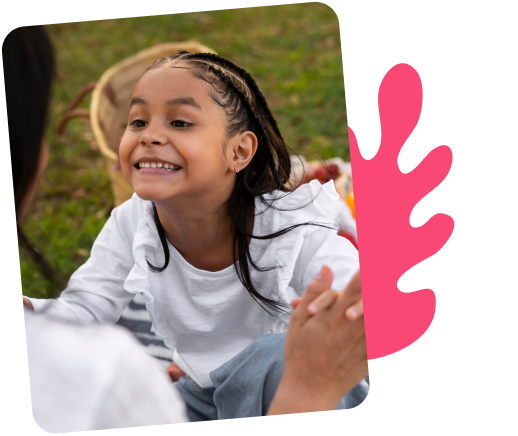
Education and Learning
- Re-engagement with education.
- Life skills and vocational learning.
- Creativity, curiosity, and confidence building.
- Support to transition back into mainstream or specialist education.
Clinical and
Therapeutic
Support
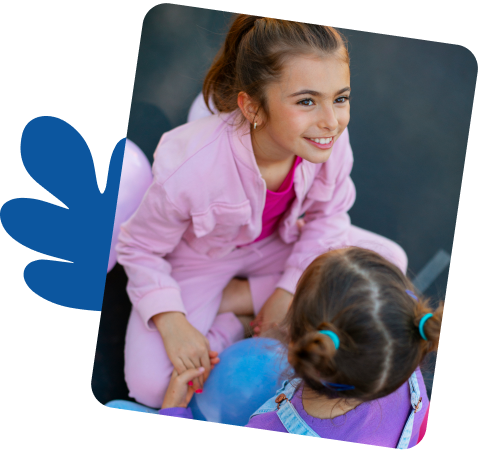
Clinical and Therapeutic Support
Our homes are supported by a trusted network of private professionals, ensuring children receive holistic, therapeutic care tailored to their needs.
This includes:
- Child and Adolescent Therapists
- Art and Play Therapists
- Clinical Psychologists
- Occupational and Sensory Therapists
- Speech and Language Practitioners
- Family Support and Systemic Therapists
Reflective Practice
and Staff Support
Reflective Practice and Staff Support
That’s why we invest in regular reflective supervision, debriefs, and emotional support for our team.
- Clinical supervision with external professionals.
- Reflective practice sessions to explore challenges and celebrate progress.
- Ongoing training in trauma-informed and restorative practice.
Measuring
Progress
Measuring Progress
Every child’s journey is unique, but we measure success through:
- Increased emotional stability and resilience.
- Reduction in crisis or unsafe behaviours.
- Improved self-esteem and communication.
- Re-engagement with learning or social activities.
- Progress toward independence and readiness for transition.
The Kalo Living Promise